THE PROCESS
THE DEEP DIVE
Your product is ready to scale.
Your organization isn't.
Most SaaS companies don't have a customer education problem. They have an alignment problem — and it's compounding with every growth phase.
"If your team is still explaining the same things a year after launch, that's not a documentation problem. That's a systems problem."
PMOS™ Diagnostic Insight
Part 1: Build the foundation
Pillar 01 | Revenue Alignment
Align the product roadmap with your business goals
Pillar 02 | HVA Blueprinting
Identify the core user actions that drive retention
Pillar 03 | Signal diagnosis & Routing
Turn customer friction into organizational intelligence
Pillar 04 | Precision Enablement
Eliminate cognitive load in the customer journey
Foundation Complete
Operating System Begins
Part 2: Scale without the tax
Pillar 05 | The Routing Loop
Track signals across teams, catch new friction before it compounds
Pillar 06 | Product Evolution
Build validated signals to drive the next growth cycle
Build the foundation
Before you scale your product, you need to know what you're building on. Part 1, build the foundation, is a focused engagement that aligns your organization around what customers actually need, and builds the right systems to deliver it. This is done once, and it has to come first.
Revenue Alignment
ALIGNMENT
Your product roadmap should be driven by the outcomes that retain customers and expand revenue — not by feature requests or internal assumptions. We start by ensuring your leadership, product, and go-to-market teams share a single, clear definition of what success looks like for your customers.
PMOS way: every investment your team makes is tied to a customer outcome — not a release date.
HVA blueprinting
RETENTION
Not every feature matters equally. We identify the specific actions inside your product that predict whether a customer stays, expands, or churns. These are your High-Value Actions — and they become the foundation for every enablement, onboarding, and product decision that follows.
PMOS way: your team stops optimizing for activity and starts optimizing for the behaviors that drive retention.
Signal Diagnosis & Routing
OPTIMIZATION
Customer friction doesn't always need documentation. Sometimes it needs a product fix. Sometimes it needs a sales correction. Sometimes the product is fine and the wrong expectations were set. We diagnose the root cause, so the right team fixes it permanently, not just manages it.
Learning Gap
Customers can do it — they just need the right guidance at the right moment
Workflow friction
The product is working against how customers naturally operate
Expectation misalignment
Customers were set up with the wrong mental model before they even started
Feature gap
The product genuinely doesn't support what customers need to succeed
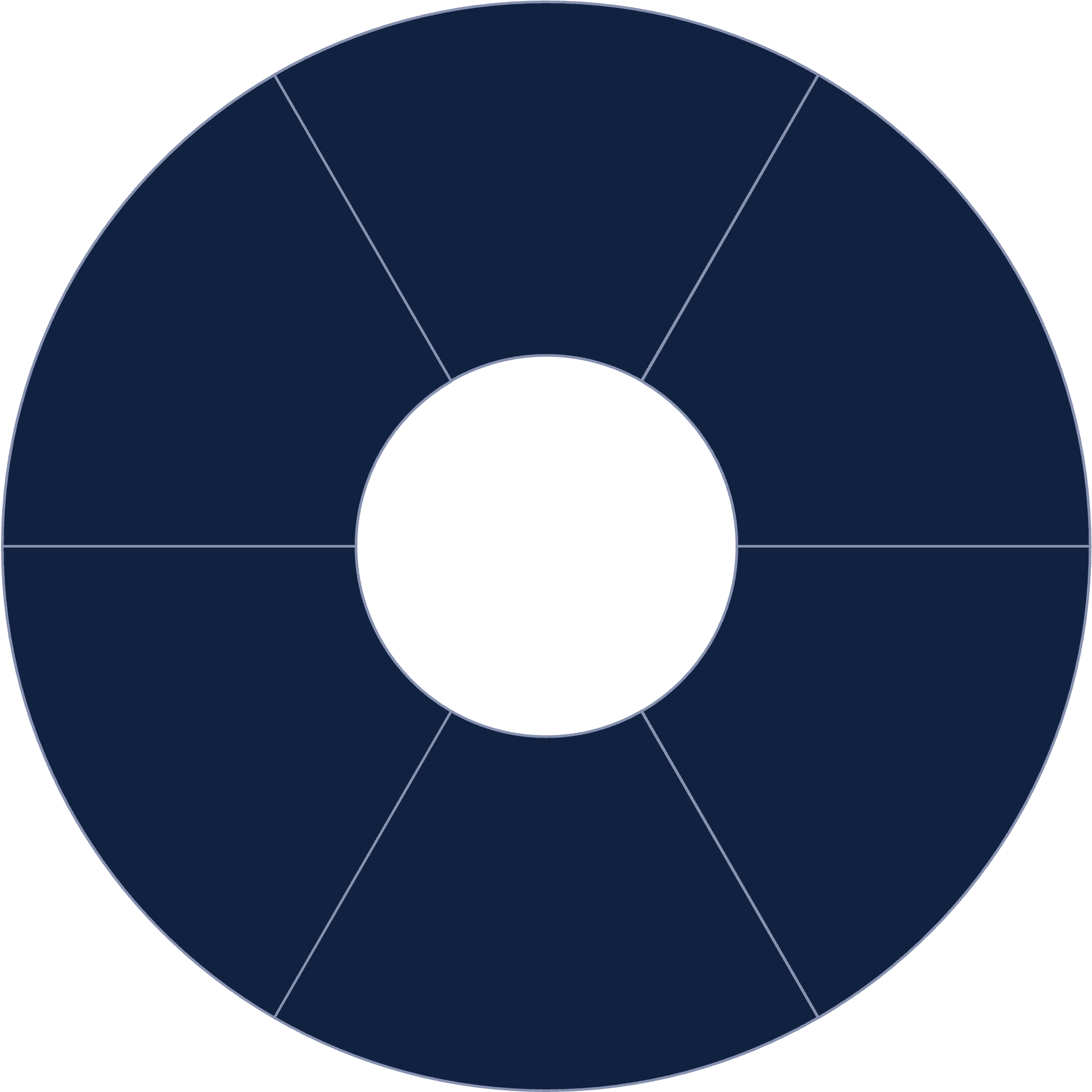
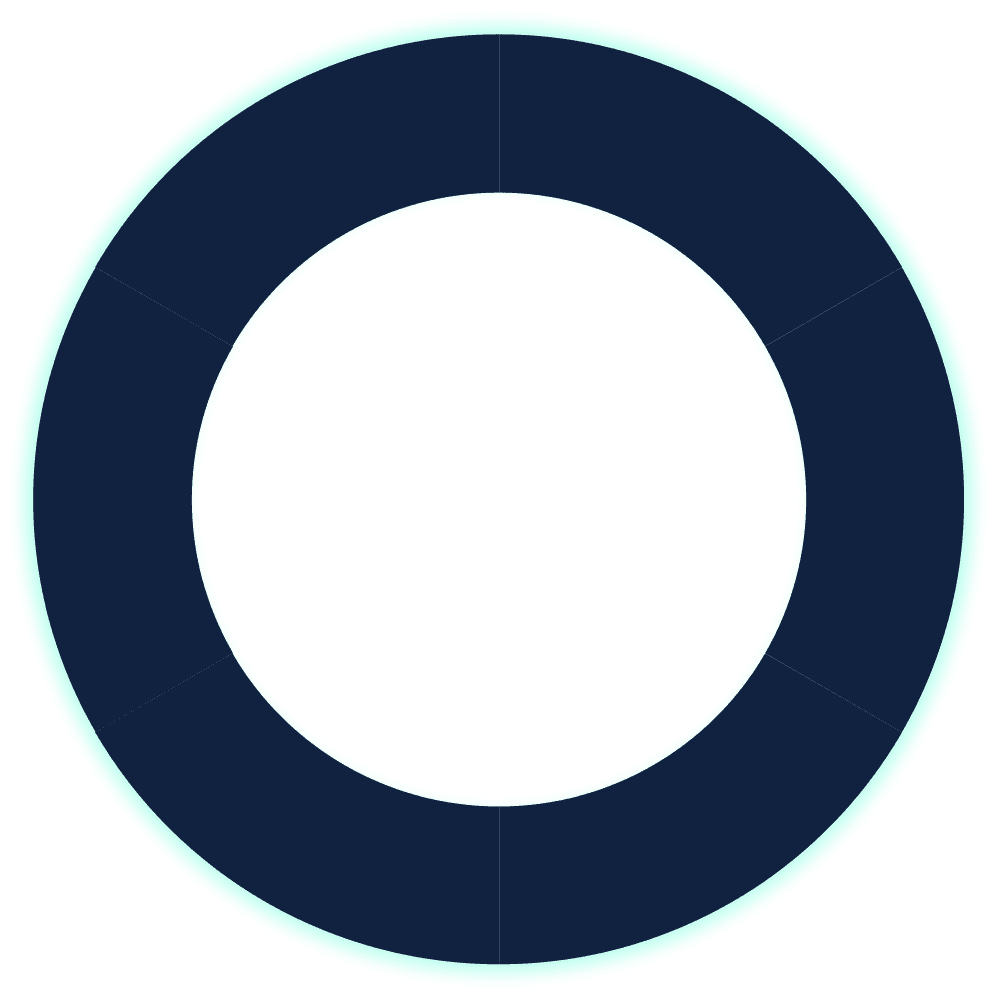
Revenue Alignment
HVA Blueprinting
Signal Diagnosis & Routing
Precision Enablement
Core System
Product Evolution
The Routing Loop
PMOS way: your team stops optimizing for activity and starts optimizing for the behaviors that drive retention.
Precision enablement
TOOLS
Most product training is built around features. PMOS builds enablement around the moments where customers actually get stuck — designed to change behavior, not just transfer information. The right format, at the right time, for the right workflow. Nothing is created without a customer outcome attached to it.
PMOS way: customers reach value faster — without needing your team to walk them through it every time.
Foundation Complete
Operating System Begins
Scale without the tax
Every growth phase — new features, new markets, new customers, new hires — creates new friction. Part 2 is the operating system that catches it before it compounds. Your team stops absorbing the cost of problems that should have been solved at the source.
The Routing Loop
INTELLIGENCE
As your product evolves, new friction enters the system. Support starts seeing new tickets. Sales starts setting new expectations. Customers start asking new questions. The routing loop keeps every signal visible — and ensures each one reaches the team accountable for resolving it. Continuously, not just at launch.
PMOS way: your organization stops reacting to friction after it becomes expensive — and starts catching it early.
Product evolution
EVOLUTION
Validated customer signals don't just inform enablement — they drive product decisions. When we've confirmed that a gap is a product problem, your R&D investment goes exactly where customers need it to go. Every release is informed by real friction data, not internal roadmap politics. Your product improves because your customers told you how.
PMOS way: product decisions are backed by validated customer evidence — and each cycle of growth feeds the next.
What you can Expect
These aren't vanity metrics. They're the operational changes that compound into revenue.
Fewer Escalations
Your support team stops being a substitute for your product
Faster time-to-value
Customers reach the moment that makes them stay — without hand-holding
Aligned leadership
Your product, sales, and CS teams finally agree on what success looks like
Smarter R&D investment
Product decisions stop being driven by the loudest voice in the room
Retention that compounds
When customers master your product, they stay. And when they stay, they expand. The foundation pays for itself.
Scale without rebuilding
Every growth phase stops generating a new round of the same problems
PMOS was built at the intersection of Learning Experience Design and Interaction Design — two disciplines that are rarely held by one practitioner. That combination is what makes the difference between documentation that produces content, and a system that changes how your organization operates.